click on any book title or image to learn more or to get your own copy…
Constructionism, Tinkering, and EdTech- Invent to Learn: Making, Tinkering, and Engineering in the Classroom — by Sylvia Libow Martinez and Gary S. Stager
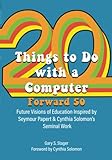
- Twenty Things to Do with a Computer: Forward 50 — edited by Gary Stager
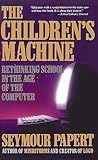
- The Children’s Machine: Rethinking School In The Age Of The Computer — by Seymour Papert
- Being Digital — by Nicholas Negroponte
- The Invent to Learn Guide to the micro:bit — by Pauline Maas and Peter Heldens
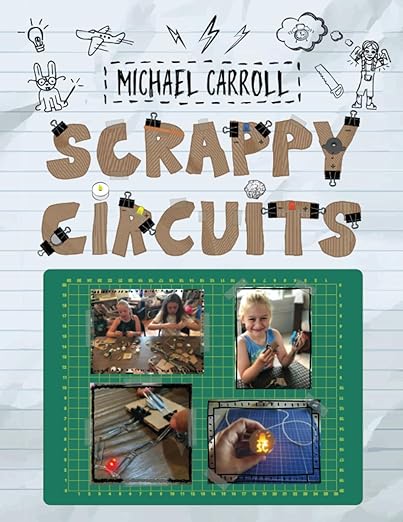
- Scrappy Circuits — by Michael Carroll
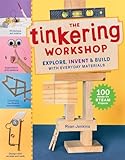
- The Tinkering Workshop: Explore, Invent & Build with Everyday Materials — by Ryan Jenkins


Mathematics and Mathematical Thinking
- Math for English Majors: A Human Take on the Universal Language — by Christopher Danielson
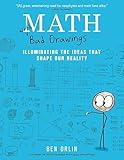
- Math with Bad Drawings: Illuminating the Ideas That Shape Our Reality — by Ben Orlin
- Math Games with Bad Drawings: 75 ¼ Simple, Challenging, Go‑Anywhere Games―And Why They Matter — by Ben Orlin
- How Big is the Moon? Whole Maths in Action — by Dave Baker and Cheryl Semple
- The Math(s) Fix: An Education Blueprint for the AI Age — by Conrad Wolfram
- Data Minds: How Today’s Teachers Can Prepare Students for Tomorrow’s World — by Jo Boaler and Cathy Williams
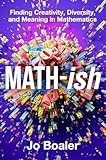
- Math-Ish: A Groundbreaking Guide to Finding Joy and Understanding in Mathematics — by Jo Boaler
- The Mathematical Tourist: Snapshots of Modern Mathematics — by Ivars Peterson




Loose Parts and Play-Based Learning
- Loose Parts Alive: Inspiring Child‑Led Nature Explorations — by Carla Gull and Laura Wilhelm
- Loose Parts: Inspiring Play in Young Children (book 1) — by Miriam Beloglovsky and Lisa Daly
- Loose Parts 2: Inspiring Play with Infants and Toddlers — by Miriam Beloglovsky and Lisa Daly
- Loose Parts 3: Inspiring Culturally Sustainable Environments — by Lisa Daly and Miriam Beloglovsky
- Loose Parts 4: Inspiring 21st‑Century Learning — by Miriam Beloglovsky and Lisa Daly
- Loose Parts in Action: The Essential How‑To Guide — by Lisa Daly
- Loose Parts for Children with Diverse Abilities — by Miriam Beloglovsky and Debbie LeeKeenan


Reggio Emilia and Early Childhood Education
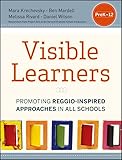
- Visible Learners: Promoting Reggio‑Inspired Approaches in All Schools — by Mara Krechevsky, Ben Mardell, Melissa Rivard, and Daniel Wilson
- Curated Moments: Reggio‑Inspired Classrooms for Infants, Toddlers, and Twos — by Jennifer Kesselring, Ashley Stewart, Whitney Dickinson, and Jerry Bates
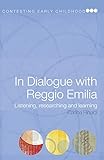
- In Dialogue with Reggio Emilia — by Carla Rinaldi
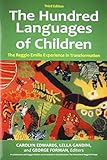
- The Hundred Languages of Children: The Reggio Emilia Experience in Transformation — edited by Carolyn Edwards, Lella Gandini, and George Forman
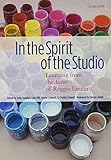
- In the Spirit of the Studio: Learning from the Atelier of Reggio Emilia — edited by Lella Gandini, Lynn Hill, Louise Cadwell, and Charles Schwall
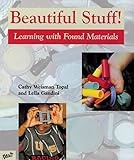
- Beautiful Stuff!: Learning with Found Materials — by Cathy Weisman Topal and Lella Gandini
- Insights and Inspirations from Reggio Emilia: Stories of Teachers and Children from North America — edited by Lella Gandini, Susan Etheredge, and Lynn Hill
- Choice Time: How to Deepen Learning Through Inquiry and Play, PreK‑2 — by Renee Dinnerstein


Literacy & Education Theory- Children Want to Write: Donald Graves and the Revolution in Children’s Writing — by Donald H. Graves
- A Fresh Look at Writing — by Donald H. Graves
- Wally’s Stories: Conversations in the Kindergarten — by Vivian Gussin Paley
- You Can’t Say You Can’t Play — by Vivian Gussin Paley
- In Schools We Trust: Creating Communities of Learning in an era of Testing and Standardization — by Deborah Meier
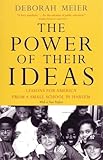
- The Power of Their Ideas: Lessons for America from a Small School in Harlem — by Deborah Meier
- “The Having of Wonderful Ideas” and Other Essays on Teaching and Learning — by Eleanor Duckworth
- Engaging Children’s Minds: The Project Approach (3rd Edition) — by Lilian G. Katz and Sylvia C. Chard
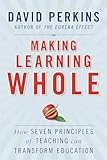
- Making Learning Whole: How Seven Principles of Teaching Can Transform Education — by David Perkins
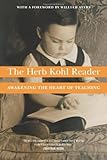
- The Herb Kohl Reader: Awakening the Heart of Teaching — by Herbert Kohl
- The Schools Our Children Deserve: Moving Beyond Traditional Classrooms and “Tougher Standards” by Alfie Kohn
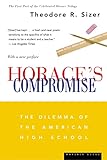
- Horace’s Compromise: The Dilemma of the American High School — by Theodore R. Sizer
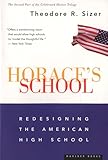
- Horace’s School: Redesigning the American High School — by Theodore R. Sizer
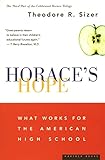
- Horace’s Hope: What Works for the American High School — by Theodore R. Sizer
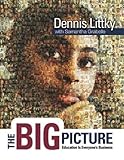
- The Big Picture: Education Is Everyone’s Business — by Dennis Littky and Samantha Grabelle
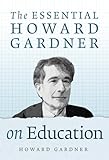
- The Essential Howard Gardner on Education — by Howard Gardner
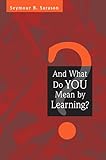
- And What Do You Mean by Learning? — by Seymour Sarason
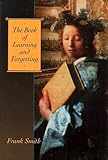
- The Book of Learning and Forgetting — by Frank Smith





Media, Screenwriting, and Podcasting
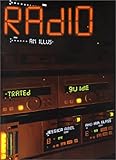
- Radio: An Illustrated Guide — by Ira Glass and Jessica Abel
- Screenplay: The Foundations of Screenwriting — by Syd Field
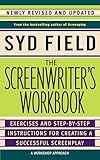
- The Screenwriter’s Workbook — by Syd Field
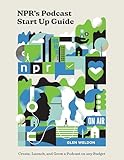
- NPR’s Podcast Start Up Guide: Create, Launch, and Grow a Podcast on Any Budget — by Glen Weldon

Activism and Innovation
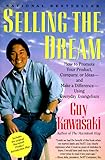
- Selling the Dream — by Guy Kawasaki
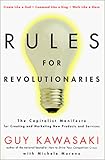
- Rules for Revolutionaries — by Guy Kawasaki
Human Geography and Global Culture
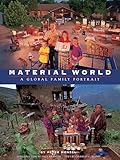
- Material World: A Global Family Portrait — by Peter Menzel
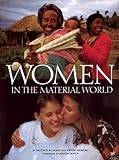
- Women in the Material World — by Faith D’Aluisio and Peter Menzel
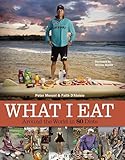
- What I Eat: Around the World in 80 Diets — by Peter Menzel and Faith D’Aluisio
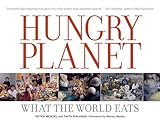
- Hungry Planet: What the World Eats — by Peter Menzel and Faith D’Aluisio
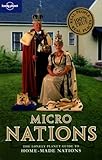
- Micronations: The Lonely Planet Guide to Home‑Made Nations — by John Ryan, George Dunford, and Simon Sellars
- Micronations: Invent Your Own Country and Culture with 25 Projects (Build It Yourself) — by Kathy Ceceri

Data, Visualization, and Codebreaking
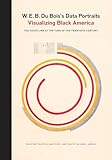
- W. E. B. Du Bois’s Data Portraits: Visualizing Black America — by The W.E.B. Du Bois Center at the University of Massachusetts Amherst
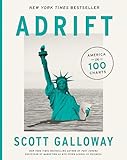
- Adrift: America in 100 Charts — by Scott Galloway
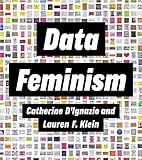
- Data Feminism — by Catherine D’Ignazio and Lauren F. Klein
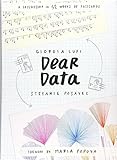
- Dear Data: A Friendship in 52 Weeks of Postcards — by Giorgia Lupi and Stefanie Posavec
- The Code Book: The Secrets Behind Codebreaking — by Simon Singh
- The Cryptoclub: Using Mathematics to Make and Break Secret Codes — by Janet Beissinger and Vera Pless
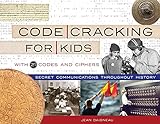
- Code Cracking for Kids: Secret Communications Throughout History, with 21 Codes and Ciphers — by Jean Daigneau
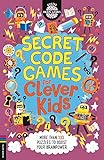
- Secret Code Breaking Puzzles for Kids — by Gareth Moore
- The Junior Code Breaker Book: 50 Intriguing Code Puzzles to Crack — by Elizabeth Tweedale
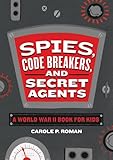
- Spies, Code Breakers, and Secret Agents: A World War II Book for Kids — by Carole P. Roman



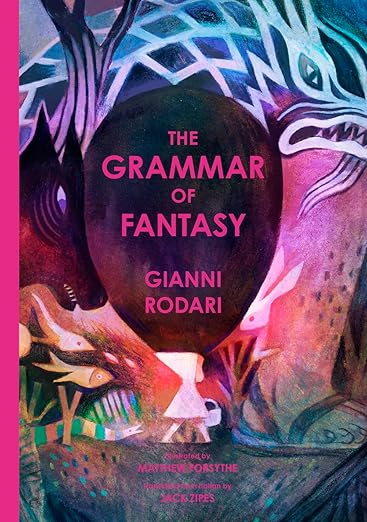
Grammar of Fantasy- The Grammar of Fantasy: An Introduction to the Art of Inventing Stories — by Gianni Rodari
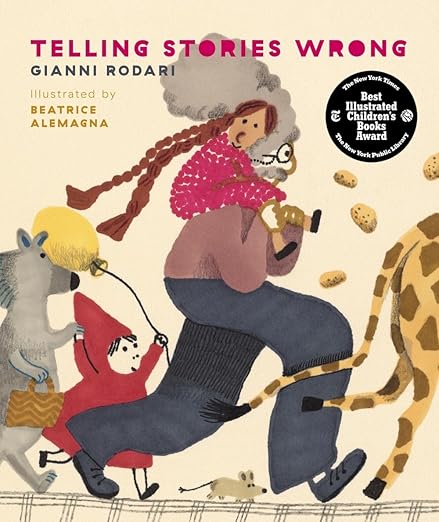
- Telling Stories Wrong — by Gianni Rodari
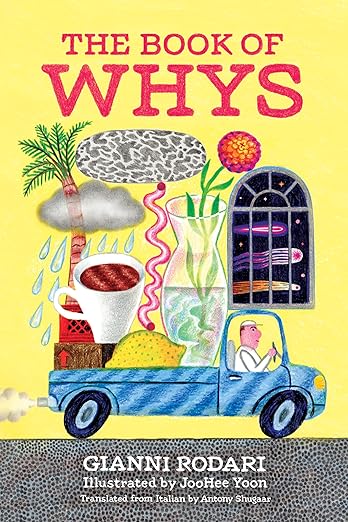
- The Book of Whys — by Gianni Rodari
- Codex Seraphinianus — by Luigi Serafini
Computers, Technology, and Society- Hackers: Heroes of the Computer Revolution — by Steven Levy
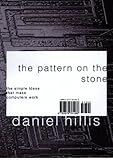
- The Pattern on the Stone (Science Masters) — by W. Daniel Hillis
- Adventures of a Computational Explorer — by Stephen Wolfram
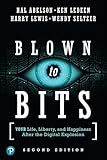
- Blown to Bits: Your Life, Liberty, and Happiness After the Digital Explosion — by Hal Abelson, Ken Ledeen, and Harry Lewis
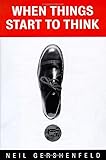
- When Things Start to Think — by Neil Gershenfeld
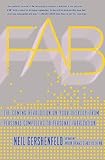
- Fab: The Coming Revolution on Your Desktop–from Personal Computers to Personal Fabrication — by Neil Gershenfeld
- The Society of Mind — by Marvin Minsky
- The Second Self, Twentieth Anniversary Edition: Computers and the Human Spirit — by Sherry Turkle



- Math for English Majors: A Human Take on the Universal Language — by Christopher Danielson
- Math with Bad Drawings: Illuminating the Ideas That Shape Our Reality — by Ben Orlin
- Math Games with Bad Drawings: 75 ¼ Simple, Challenging, Go‑Anywhere Games―And Why They Matter — by Ben Orlin
- How Big is the Moon? Whole Maths in Action — by Dave Baker and Cheryl Semple
- The Math(s) Fix: An Education Blueprint for the AI Age — by Conrad Wolfram
- Data Minds: How Today’s Teachers Can Prepare Students for Tomorrow’s World — by Jo Boaler and Cathy Williams
- Math-Ish: A Groundbreaking Guide to Finding Joy and Understanding in Mathematics — by Jo Boaler
- The Mathematical Tourist: Snapshots of Modern Mathematics — by Ivars Peterson
Loose Parts and Play-Based Learning
- Loose Parts Alive: Inspiring Child‑Led Nature Explorations — by Carla Gull and Laura Wilhelm
- Loose Parts: Inspiring Play in Young Children (book 1) — by Miriam Beloglovsky and Lisa Daly
- Loose Parts 2: Inspiring Play with Infants and Toddlers — by Miriam Beloglovsky and Lisa Daly
- Loose Parts 3: Inspiring Culturally Sustainable Environments — by Lisa Daly and Miriam Beloglovsky
- Loose Parts 4: Inspiring 21st‑Century Learning — by Miriam Beloglovsky and Lisa Daly
- Loose Parts in Action: The Essential How‑To Guide — by Lisa Daly
- Loose Parts for Children with Diverse Abilities — by Miriam Beloglovsky and Debbie LeeKeenan
Reggio Emilia and Early Childhood Education
- Visible Learners: Promoting Reggio‑Inspired Approaches in All Schools — by Mara Krechevsky, Ben Mardell, Melissa Rivard, and Daniel Wilson
- Curated Moments: Reggio‑Inspired Classrooms for Infants, Toddlers, and Twos — by Jennifer Kesselring, Ashley Stewart, Whitney Dickinson, and Jerry Bates
- In Dialogue with Reggio Emilia — by Carla Rinaldi
- The Hundred Languages of Children: The Reggio Emilia Experience in Transformation — edited by Carolyn Edwards, Lella Gandini, and George Forman
- In the Spirit of the Studio: Learning from the Atelier of Reggio Emilia — edited by Lella Gandini, Lynn Hill, Louise Cadwell, and Charles Schwall
- Beautiful Stuff!: Learning with Found Materials — by Cathy Weisman Topal and Lella Gandini
- Insights and Inspirations from Reggio Emilia: Stories of Teachers and Children from North America — edited by Lella Gandini, Susan Etheredge, and Lynn Hill
- Choice Time: How to Deepen Learning Through Inquiry and Play, PreK‑2 — by Renee Dinnerstein
Literacy & Education Theory- Children Want to Write: Donald Graves and the Revolution in Children’s Writing — by Donald H. Graves
- A Fresh Look at Writing — by Donald H. Graves
- Wally’s Stories: Conversations in the Kindergarten — by Vivian Gussin Paley
- You Can’t Say You Can’t Play — by Vivian Gussin Paley
- In Schools We Trust: Creating Communities of Learning in an era of Testing and Standardization — by Deborah Meier
- The Power of Their Ideas: Lessons for America from a Small School in Harlem — by Deborah Meier
- “The Having of Wonderful Ideas” and Other Essays on Teaching and Learning — by Eleanor Duckworth
- Engaging Children’s Minds: The Project Approach (3rd Edition) — by Lilian G. Katz and Sylvia C. Chard
- Making Learning Whole: How Seven Principles of Teaching Can Transform Education — by David Perkins
- The Herb Kohl Reader: Awakening the Heart of Teaching — by Herbert Kohl
- The Schools Our Children Deserve: Moving Beyond Traditional Classrooms and “Tougher Standards” by Alfie Kohn
- Horace’s Compromise: The Dilemma of the American High School — by Theodore R. Sizer
- Horace’s School: Redesigning the American High School — by Theodore R. Sizer
- Horace’s Hope: What Works for the American High School — by Theodore R. Sizer
- The Big Picture: Education Is Everyone’s Business — by Dennis Littky and Samantha Grabelle
- The Essential Howard Gardner on Education — by Howard Gardner
- And What Do You Mean by Learning? — by Seymour Sarason
- The Book of Learning and Forgetting — by Frank Smith
Media, Screenwriting, and Podcasting
- Radio: An Illustrated Guide — by Ira Glass and Jessica Abel
- Screenplay: The Foundations of Screenwriting — by Syd Field
- The Screenwriter’s Workbook — by Syd Field
- NPR’s Podcast Start Up Guide: Create, Launch, and Grow a Podcast on Any Budget — by Glen Weldon
Activism and Innovation
- Selling the Dream — by Guy Kawasaki
- Rules for Revolutionaries — by Guy Kawasaki
Human Geography and Global Culture
- Material World: A Global Family Portrait — by Peter Menzel
- Women in the Material World — by Faith D’Aluisio and Peter Menzel
- What I Eat: Around the World in 80 Diets — by Peter Menzel and Faith D’Aluisio
- Hungry Planet: What the World Eats — by Peter Menzel and Faith D’Aluisio
- Micronations: The Lonely Planet Guide to Home‑Made Nations — by John Ryan, George Dunford, and Simon Sellars
- Micronations: Invent Your Own Country and Culture with 25 Projects (Build It Yourself) — by Kathy Ceceri
Data, Visualization, and Codebreaking
- W. E. B. Du Bois’s Data Portraits: Visualizing Black America — by The W.E.B. Du Bois Center at the University of Massachusetts Amherst
- Adrift: America in 100 Charts — by Scott Galloway
- Data Feminism — by Catherine D’Ignazio and Lauren F. Klein
- Dear Data: A Friendship in 52 Weeks of Postcards — by Giorgia Lupi and Stefanie Posavec
- The Code Book: The Secrets Behind Codebreaking — by Simon Singh
- The Cryptoclub: Using Mathematics to Make and Break Secret Codes — by Janet Beissinger and Vera Pless
- Code Cracking for Kids: Secret Communications Throughout History, with 21 Codes and Ciphers — by Jean Daigneau
- Secret Code Breaking Puzzles for Kids — by Gareth Moore
- The Junior Code Breaker Book: 50 Intriguing Code Puzzles to Crack — by Elizabeth Tweedale
- Spies, Code Breakers, and Secret Agents: A World War II Book for Kids — by Carole P. Roman
Grammar of Fantasy- The Grammar of Fantasy: An Introduction to the Art of Inventing Stories — by Gianni Rodari
- Telling Stories Wrong — by Gianni Rodari
- The Book of Whys — by Gianni Rodari
- Codex Seraphinianus — by Luigi Serafini
Computers, Technology, and Society- Hackers: Heroes of the Computer Revolution — by Steven Levy
- The Pattern on the Stone (Science Masters) — by W. Daniel Hillis
- Adventures of a Computational Explorer — by Stephen Wolfram
- Blown to Bits: Your Life, Liberty, and Happiness After the Digital Explosion — by Hal Abelson, Ken Ledeen, and Harry Lewis
- When Things Start to Think — by Neil Gershenfeld
- Fab: The Coming Revolution on Your Desktop–from Personal Computers to Personal Fabrication — by Neil Gershenfeld
- The Society of Mind — by Marvin Minsky
- The Second Self, Twentieth Anniversary Edition: Computers and the Human Spirit — by Sherry Turkle
- Visible Learners: Promoting Reggio‑Inspired Approaches in All Schools — by Mara Krechevsky, Ben Mardell, Melissa Rivard, and Daniel Wilson
- Curated Moments: Reggio‑Inspired Classrooms for Infants, Toddlers, and Twos — by Jennifer Kesselring, Ashley Stewart, Whitney Dickinson, and Jerry Bates
- In Dialogue with Reggio Emilia — by Carla Rinaldi
- The Hundred Languages of Children: The Reggio Emilia Experience in Transformation — edited by Carolyn Edwards, Lella Gandini, and George Forman
- In the Spirit of the Studio: Learning from the Atelier of Reggio Emilia — edited by Lella Gandini, Lynn Hill, Louise Cadwell, and Charles Schwall
- Beautiful Stuff!: Learning with Found Materials — by Cathy Weisman Topal and Lella Gandini
- Insights and Inspirations from Reggio Emilia: Stories of Teachers and Children from North America — edited by Lella Gandini, Susan Etheredge, and Lynn Hill
- Choice Time: How to Deepen Learning Through Inquiry and Play, PreK‑2 — by Renee Dinnerstein
Literacy & Education Theory- Children Want to Write: Donald Graves and the Revolution in Children’s Writing — by Donald H. Graves
- A Fresh Look at Writing — by Donald H. Graves
- Wally’s Stories: Conversations in the Kindergarten — by Vivian Gussin Paley
- You Can’t Say You Can’t Play — by Vivian Gussin Paley
- In Schools We Trust: Creating Communities of Learning in an era of Testing and Standardization — by Deborah Meier
- The Power of Their Ideas: Lessons for America from a Small School in Harlem — by Deborah Meier
- “The Having of Wonderful Ideas” and Other Essays on Teaching and Learning — by Eleanor Duckworth
- Engaging Children’s Minds: The Project Approach (3rd Edition) — by Lilian G. Katz and Sylvia C. Chard
- Making Learning Whole: How Seven Principles of Teaching Can Transform Education — by David Perkins
- The Herb Kohl Reader: Awakening the Heart of Teaching — by Herbert Kohl
- The Schools Our Children Deserve: Moving Beyond Traditional Classrooms and “Tougher Standards” by Alfie Kohn
- Horace’s Compromise: The Dilemma of the American High School — by Theodore R. Sizer
- Horace’s School: Redesigning the American High School — by Theodore R. Sizer
- Horace’s Hope: What Works for the American High School — by Theodore R. Sizer
- The Big Picture: Education Is Everyone’s Business — by Dennis Littky and Samantha Grabelle
- The Essential Howard Gardner on Education — by Howard Gardner
- And What Do You Mean by Learning? — by Seymour Sarason
- The Book of Learning and Forgetting — by Frank Smith
Media, Screenwriting, and Podcasting
- Radio: An Illustrated Guide — by Ira Glass and Jessica Abel
- Screenplay: The Foundations of Screenwriting — by Syd Field
- The Screenwriter’s Workbook — by Syd Field
- NPR’s Podcast Start Up Guide: Create, Launch, and Grow a Podcast on Any Budget — by Glen Weldon
Activism and Innovation
- Selling the Dream — by Guy Kawasaki
- Rules for Revolutionaries — by Guy Kawasaki
Human Geography and Global Culture
- Material World: A Global Family Portrait — by Peter Menzel
- Women in the Material World — by Faith D’Aluisio and Peter Menzel
- What I Eat: Around the World in 80 Diets — by Peter Menzel and Faith D’Aluisio
- Hungry Planet: What the World Eats — by Peter Menzel and Faith D’Aluisio
- Micronations: The Lonely Planet Guide to Home‑Made Nations — by John Ryan, George Dunford, and Simon Sellars
- Micronations: Invent Your Own Country and Culture with 25 Projects (Build It Yourself) — by Kathy Ceceri
Data, Visualization, and Codebreaking
- W. E. B. Du Bois’s Data Portraits: Visualizing Black America — by The W.E.B. Du Bois Center at the University of Massachusetts Amherst
- Adrift: America in 100 Charts — by Scott Galloway
- Data Feminism — by Catherine D’Ignazio and Lauren F. Klein
- Dear Data: A Friendship in 52 Weeks of Postcards — by Giorgia Lupi and Stefanie Posavec
- The Code Book: The Secrets Behind Codebreaking — by Simon Singh
- The Cryptoclub: Using Mathematics to Make and Break Secret Codes — by Janet Beissinger and Vera Pless
- Code Cracking for Kids: Secret Communications Throughout History, with 21 Codes and Ciphers — by Jean Daigneau
- Secret Code Breaking Puzzles for Kids — by Gareth Moore
- The Junior Code Breaker Book: 50 Intriguing Code Puzzles to Crack — by Elizabeth Tweedale
- Spies, Code Breakers, and Secret Agents: A World War II Book for Kids — by Carole P. Roman
Grammar of Fantasy- The Grammar of Fantasy: An Introduction to the Art of Inventing Stories — by Gianni Rodari
- Telling Stories Wrong — by Gianni Rodari
- The Book of Whys — by Gianni Rodari
- Codex Seraphinianus — by Luigi Serafini
Computers, Technology, and Society- Hackers: Heroes of the Computer Revolution — by Steven Levy
- The Pattern on the Stone (Science Masters) — by W. Daniel Hillis
- Adventures of a Computational Explorer — by Stephen Wolfram
- Blown to Bits: Your Life, Liberty, and Happiness After the Digital Explosion — by Hal Abelson, Ken Ledeen, and Harry Lewis
- When Things Start to Think — by Neil Gershenfeld
- Fab: The Coming Revolution on Your Desktop–from Personal Computers to Personal Fabrication — by Neil Gershenfeld
- The Society of Mind — by Marvin Minsky
- The Second Self, Twentieth Anniversary Edition: Computers and the Human Spirit — by Sherry Turkle
- Radio: An Illustrated Guide — by Ira Glass and Jessica Abel
- Screenplay: The Foundations of Screenwriting — by Syd Field
- The Screenwriter’s Workbook — by Syd Field
- NPR’s Podcast Start Up Guide: Create, Launch, and Grow a Podcast on Any Budget — by Glen Weldon
Activism and Innovation
- Selling the Dream — by Guy Kawasaki
- Rules for Revolutionaries — by Guy Kawasaki
Human Geography and Global Culture
- Material World: A Global Family Portrait — by Peter Menzel
- Women in the Material World — by Faith D’Aluisio and Peter Menzel
- What I Eat: Around the World in 80 Diets — by Peter Menzel and Faith D’Aluisio
- Hungry Planet: What the World Eats — by Peter Menzel and Faith D’Aluisio
- Micronations: The Lonely Planet Guide to Home‑Made Nations — by John Ryan, George Dunford, and Simon Sellars
- Micronations: Invent Your Own Country and Culture with 25 Projects (Build It Yourself) — by Kathy Ceceri
Data, Visualization, and Codebreaking
- W. E. B. Du Bois’s Data Portraits: Visualizing Black America — by The W.E.B. Du Bois Center at the University of Massachusetts Amherst
- Adrift: America in 100 Charts — by Scott Galloway
- Data Feminism — by Catherine D’Ignazio and Lauren F. Klein
- Dear Data: A Friendship in 52 Weeks of Postcards — by Giorgia Lupi and Stefanie Posavec
- The Code Book: The Secrets Behind Codebreaking — by Simon Singh
- The Cryptoclub: Using Mathematics to Make and Break Secret Codes — by Janet Beissinger and Vera Pless
- Code Cracking for Kids: Secret Communications Throughout History, with 21 Codes and Ciphers — by Jean Daigneau
- Secret Code Breaking Puzzles for Kids — by Gareth Moore
- The Junior Code Breaker Book: 50 Intriguing Code Puzzles to Crack — by Elizabeth Tweedale
- Spies, Code Breakers, and Secret Agents: A World War II Book for Kids — by Carole P. Roman
Grammar of Fantasy- The Grammar of Fantasy: An Introduction to the Art of Inventing Stories — by Gianni Rodari
- Telling Stories Wrong — by Gianni Rodari
- The Book of Whys — by Gianni Rodari
- Codex Seraphinianus — by Luigi Serafini
Computers, Technology, and Society- Hackers: Heroes of the Computer Revolution — by Steven Levy
- The Pattern on the Stone (Science Masters) — by W. Daniel Hillis
- Adventures of a Computational Explorer — by Stephen Wolfram
- Blown to Bits: Your Life, Liberty, and Happiness After the Digital Explosion — by Hal Abelson, Ken Ledeen, and Harry Lewis
- When Things Start to Think — by Neil Gershenfeld
- Fab: The Coming Revolution on Your Desktop–from Personal Computers to Personal Fabrication — by Neil Gershenfeld
- The Society of Mind — by Marvin Minsky
- The Second Self, Twentieth Anniversary Edition: Computers and the Human Spirit — by Sherry Turkle
- Hackers: Heroes of the Computer Revolution — by Steven Levy
- The Pattern on the Stone (Science Masters) — by W. Daniel Hillis
- Adventures of a Computational Explorer — by Stephen Wolfram
- Blown to Bits: Your Life, Liberty, and Happiness After the Digital Explosion — by Hal Abelson, Ken Ledeen, and Harry Lewis
- When Things Start to Think — by Neil Gershenfeld
- Fab: The Coming Revolution on Your Desktop–from Personal Computers to Personal Fabrication — by Neil Gershenfeld
- The Society of Mind — by Marvin Minsky
- The Second Self, Twentieth Anniversary Edition: Computers and the Human Spirit — by Sherry Turkle